The automotive and supplier industry is facing considerable challenges. Strong cost and price pressure due to rising raw material prices and global competition are forcing production to become more efficient. A key solution strategy is the introduction of smart factory concepts based on digitalisation and automation. The use of networked machines, real-time data analysis and self-optimising production processes minimises downtimes, increases efficiency and makes optimum use of resources.
Maximum efficiency in automated production – child's play with machine-integrated measuring systems from Blum-Novotest!
- Applications
Digitalisation and automation are probably two major challenges in the automotive and supplier industry, but they also offer influential potential for efficient and profitable production. In order to remain competitive on the international market, more resource-efficient and innovative components must find their way into the manufacturing process. Below you will find some interesting user examples that we support with our innovative measuring systems.

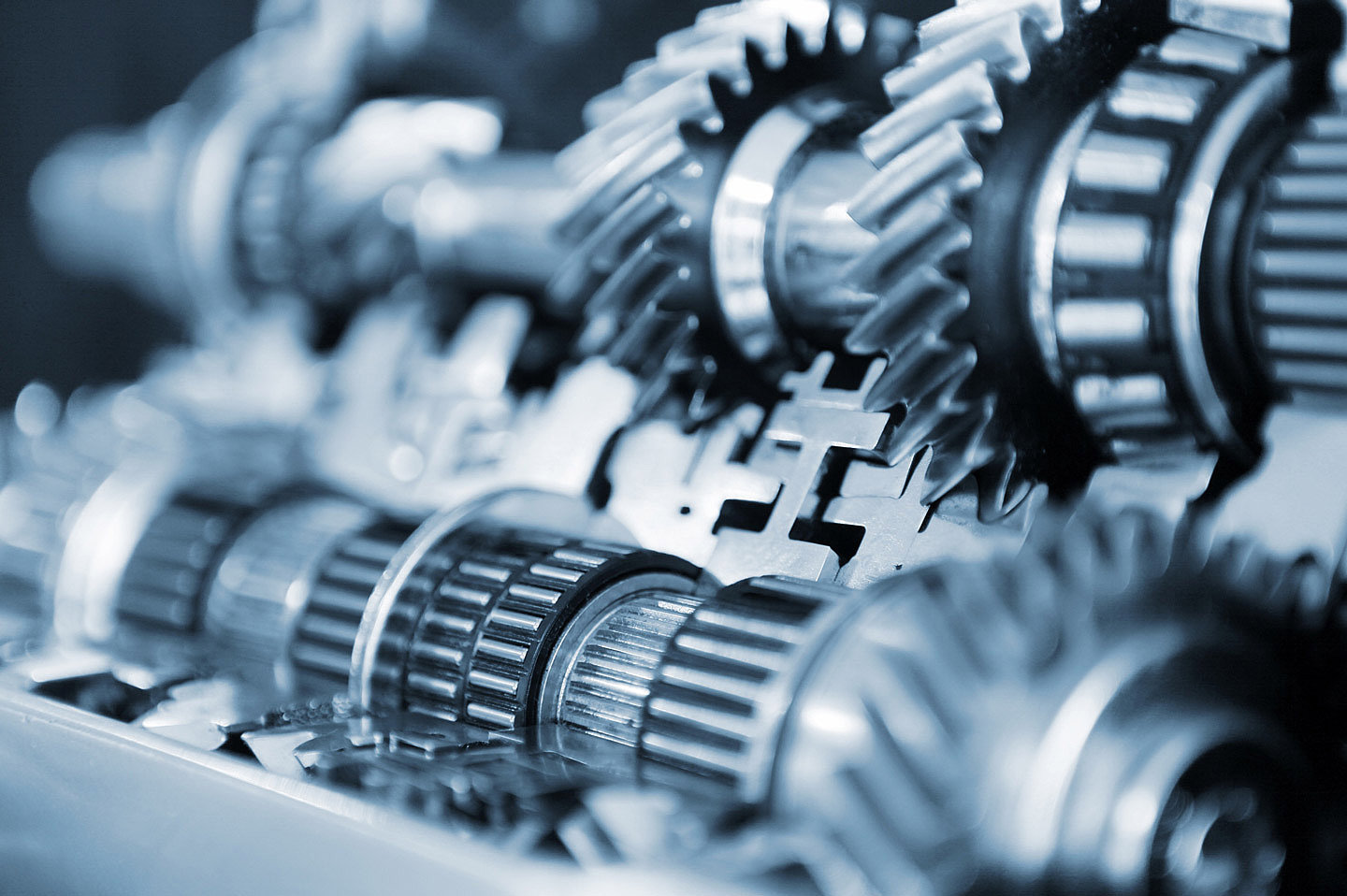
- Over 20 test benches in use worldwide Transmission test benches, drive shaft, pump and hydraulic test benches
- Series test benches (end-of-line) for torque and speed tests to ensure the high assembly quality of the gearboxes
- Audit test benches to verify the quality of the series test benches and to visualise special functions
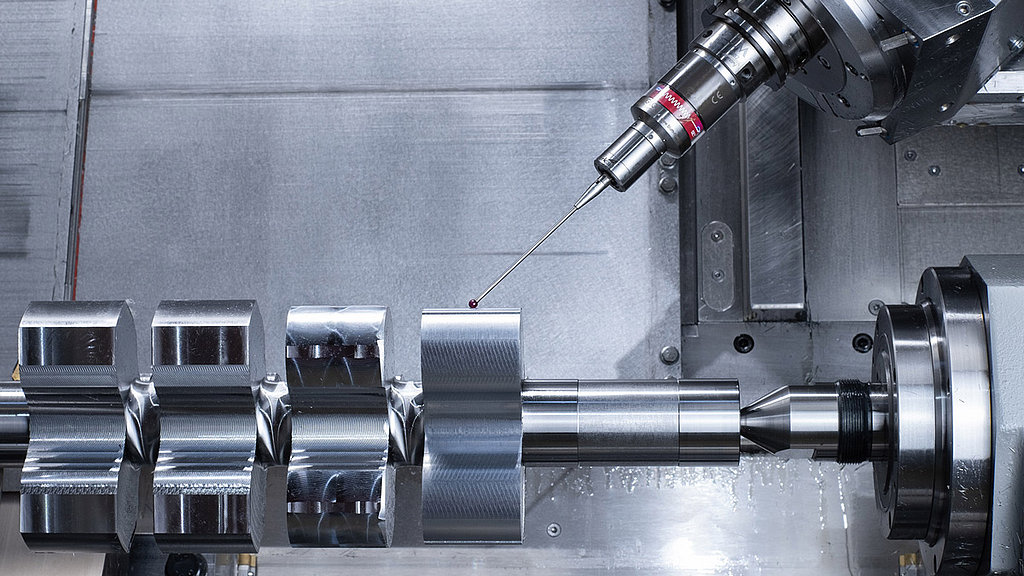
- Turning and milling the rotor on the M40 MILLTURN to the final dimension in grinding quality in automated 24/7 operation
- The high measuring accuracy eliminates the need for extremely time-consuming and expensive grinding on cylindrical and profile grinding machines for compressor rotors
- Pre-machining to a few tenths of a millimetre oversize, followed by a complete scan of the milled profile with shape accuracy and concentricity in the original set-up
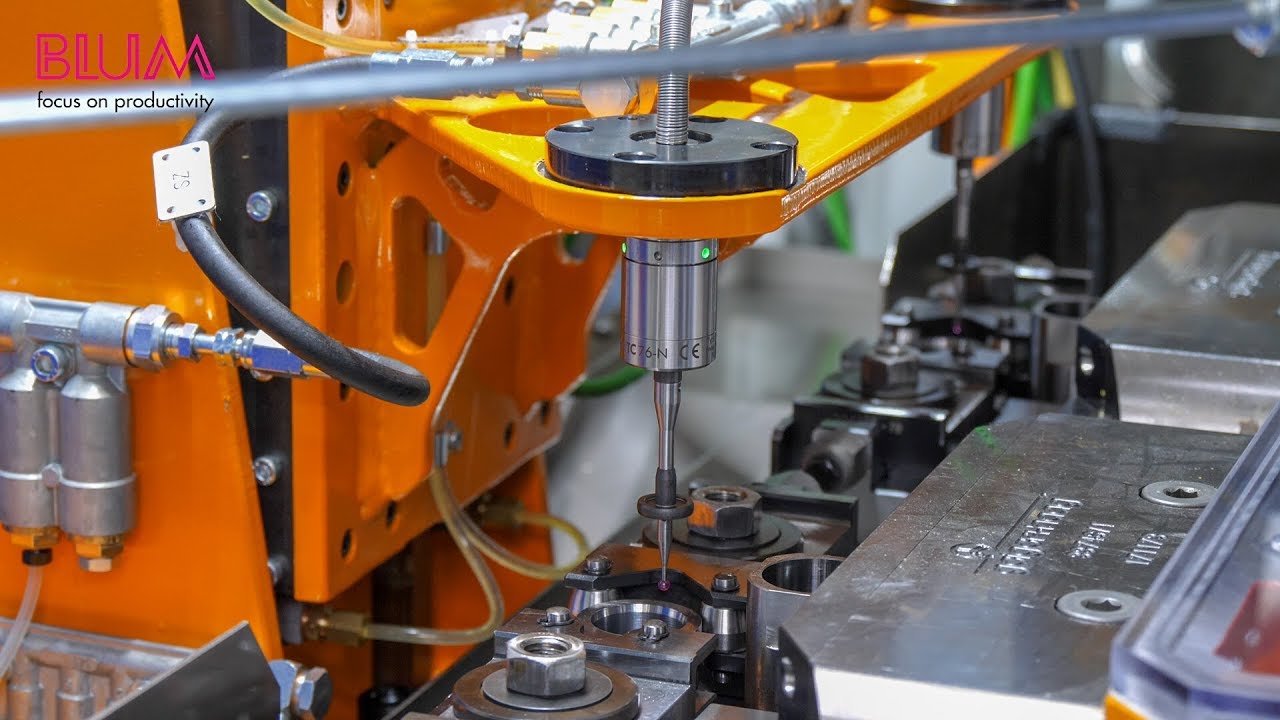
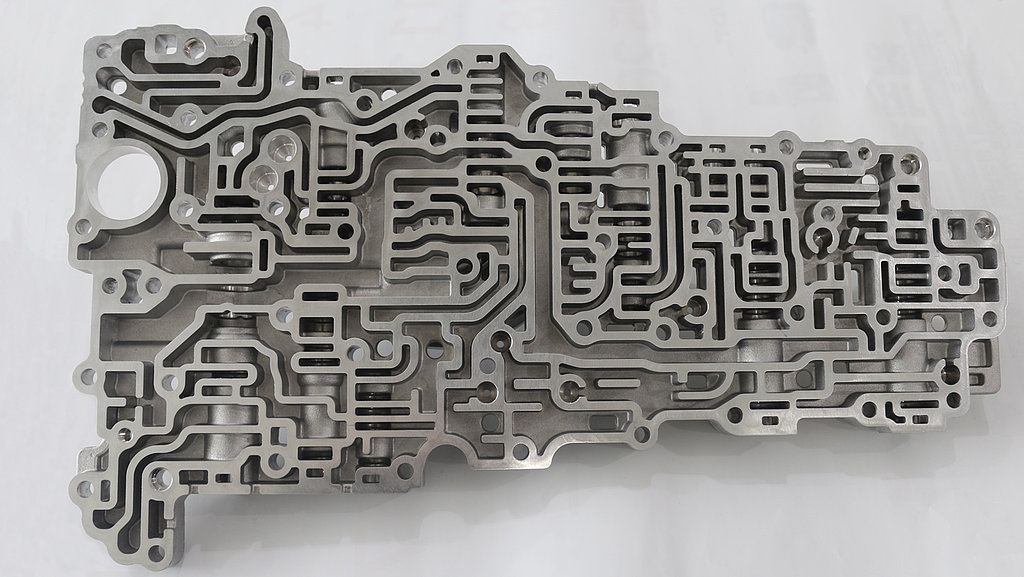
- Leading manufacturer of high-quality aluminium die-cast parts using HPDC (High Pressure Die-Casting) technology
- Increased development of products for electric cars
- Massive increase in productivity through the use of over 40 BLUM measuring systems
- Increasing use of high-quality, cost-intensive materials intensifies cooperation with BLUM
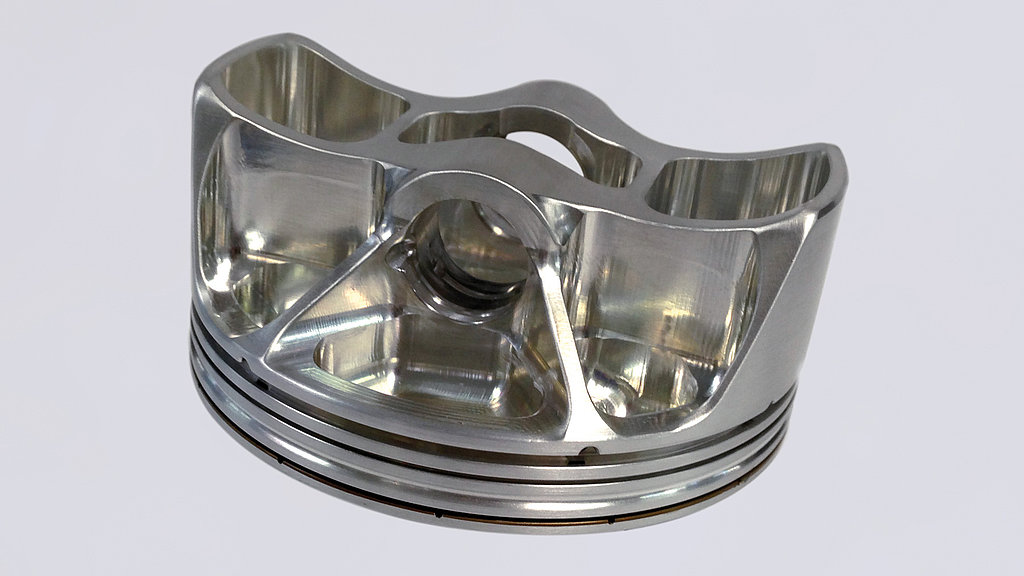
- Small and large series of internal and external engine components through to the drivetrain and wheel suspension
- Significant reduction in scrap rates and downtimes
- Increase in available machine time and production quality of chassis and racing engine parts

- Production of crankshafts, steering boxes, shift forks, drive shafts and chassis components such as kingpins for cars and wishbones for lorries
- Mostly horizontal machining centres with pallet changing devices that enable short production changeover times
- Vertical Huron K2X10 machining centre not palletised, therefore time savings in measuring time thanks to machine-integrated laser measuring system for tool measurement
Smart Factory, Industry 4.0, Closed-Loop & IoT - What exactly are they?
Terminology of automated production briefly explained ...
- Smart factory
The smart factory principle in mechanical production describes a fully networked, digitalised production environment in which machines, sensors and systems communicate and make decisions independently. Technologies such as the Internet of Things (IoT), artificial intelligence (AI) and big data make production processes automated, more flexible and more efficient. Real-time data enables predictive maintenance, optimised processes and personalised mass production (mass customisation). The aim is to create highly adaptable and resource-efficient production. - Industry 4.0
The term Industry 4.0 refers to the fourth industrial revolution, which is characterised by the digitalisation and automation of production processes. It encompasses the networking of machines, systems and data. The aim is to create intelligent, self-optimising and flexible manufacturing systems that can respond more efficiently and adaptably to customer requirements. - Closed-loop
The closed-loop principle in mechanical production refers to an automated control loop in which process parameters are continuously monitored and adjusted as required. Measured values, e.g. from workpieces or tools, are compared with the target values. Deviations are automatically corrected by intelligent machine controls that adjust themselves to ensure precise and consistent quality. This reduces errors, increases efficiency, minimises manual intervention and thus enables unmanned production, also known as a "ghost shift". - Internet of Things (IoT)
In mechanical manufacturing, the Internet of Things (IoT) enables machines, sensors and systems to be networked in order to collect and analyse data in real time. IoT improves production processes through automated monitoring, predictive maintenance and optimised processes. Networked devices can independently exchange information about the condition of machines, workpieces or tools, which reduces downtimes, improves quality and increases efficiency. In this way, IoT supports the implementation of smart factories and Industry 4.0 in manufacturing.